The NYC Registry Edit: Feed.
Feeding station essentials from bottles & nursing pillows to burp cloths and bibs. It's all about comfort - for you and the baby - and gear that flexes with however you end up feeding, breast, bottle or both. (Quick note, this is "feed." not "eat." - sippy cups, forks, spoons & plates come later, once solids are on the table.)
We've tried to focus on evergreen essentials here, but they can go out of stock. If you're completely smitten, we suggest snapping it up rather than waiting for the registry (we hold everything until you need it).


Need help? Babesta has your back!
Building your Feeding Plan: 3 questions to answer first
Before you fall down the rabbit hole comparing bottle brands or glider colors, answer three questions first. Each one determines a real chunk of your registry - skip them and you'll end up over-buying gear you won't use or missing something you'll need at 3AM. Here's the fast version.
How are you planning to feed your baby?
Breastfeeding, bottle feeding, or some combo of both - and it's fine if the honest answer right now is "not sure yet." This is the single biggest fork in your feeding station, because it decides two different gear lists.
Lean breastfeeding and your station centers on a nursing pillow, nursing cover if you want one, and nipple cream and pads for you. Lean bottle-feeding whether that's formula or pumped milk - and it centers on bottles, a drying rack or system, and possibly a sterilizer. Planning to combo feed, or just not sure? Register for a lighter version of both rathe rthan committing hard in either direction; almost nobody regrets having a couple bottles on hand even if breastfeeding is the plan.
See the full breakdown: Breastfeeding vs. Bottle Feeding - What gear you need.
Who else might be feeding the baby?
This is the question that trips up a lot of exclusively breastfeeding parents. If you're planning to pump at all, going back to work, or want a partner or caregiver to take a feeding, you need bottles regardless of what you answered above. It's not a backup plan, it's a requirement the moment anyone besides you might feed the baby.
The good news: you don't have to have this figured out precisely. Register for a small starter set of bottles either way. If it turns out you never touch them, they're an easy return (unused). If you do need them, you're not scrambling for an open store at 2AM.
Already know you'll need bottles? See: How to Pick a Bottle (flow rate and nipple shape matter more than the brand).
Where will you actually sit to feed, and does your space allow for it?
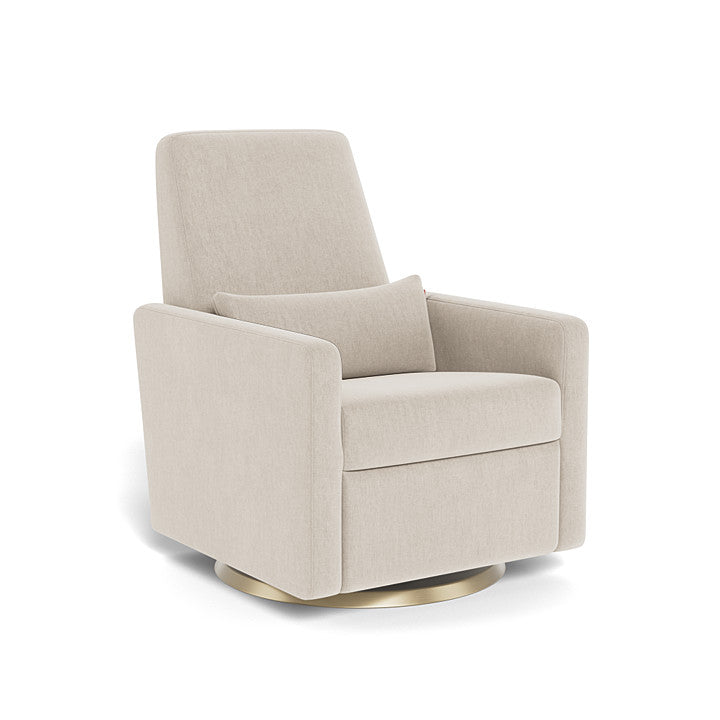
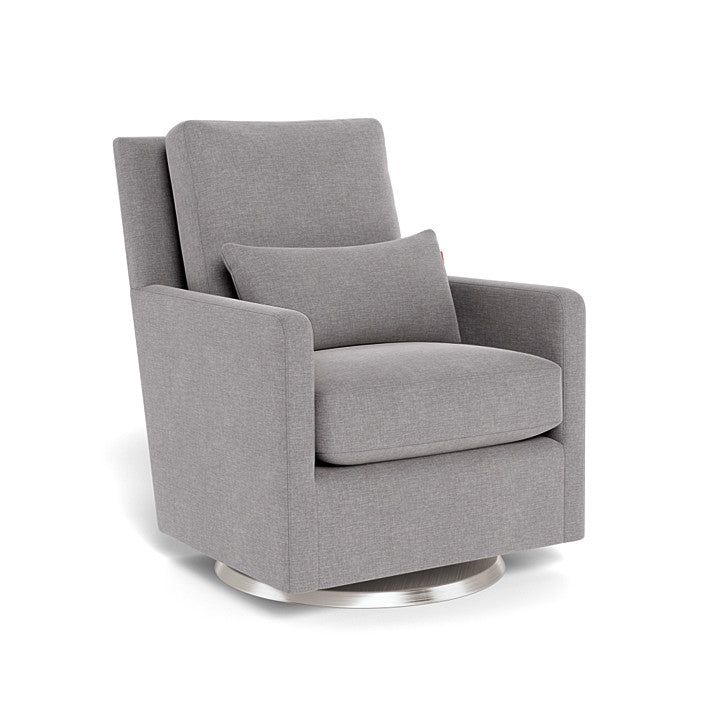
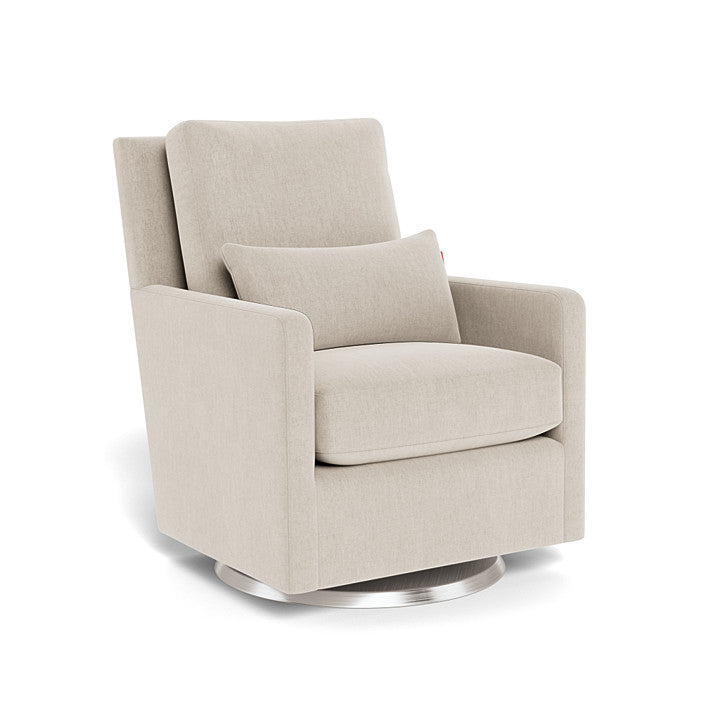
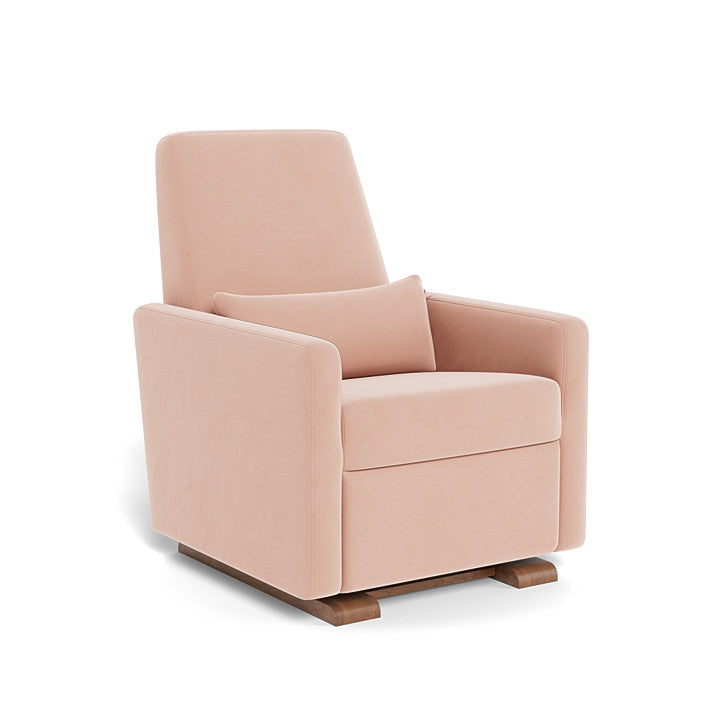
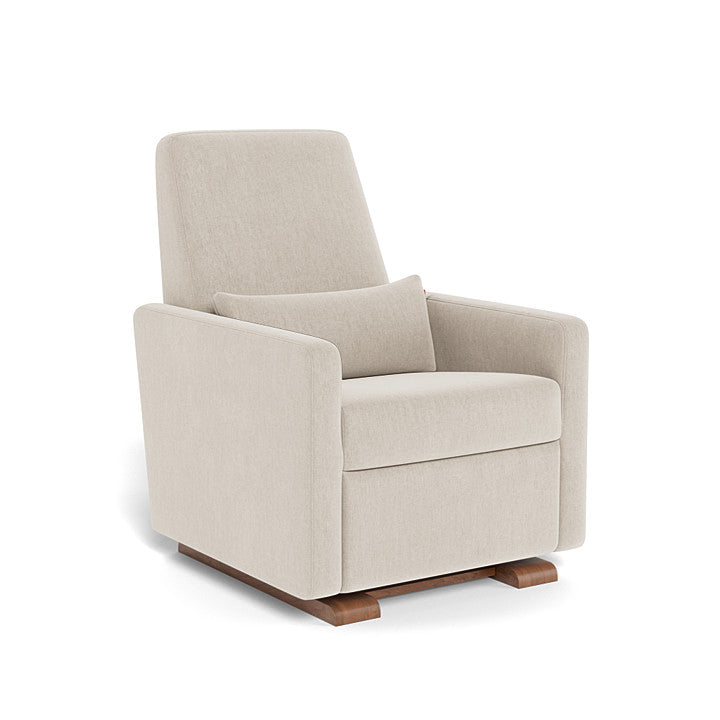
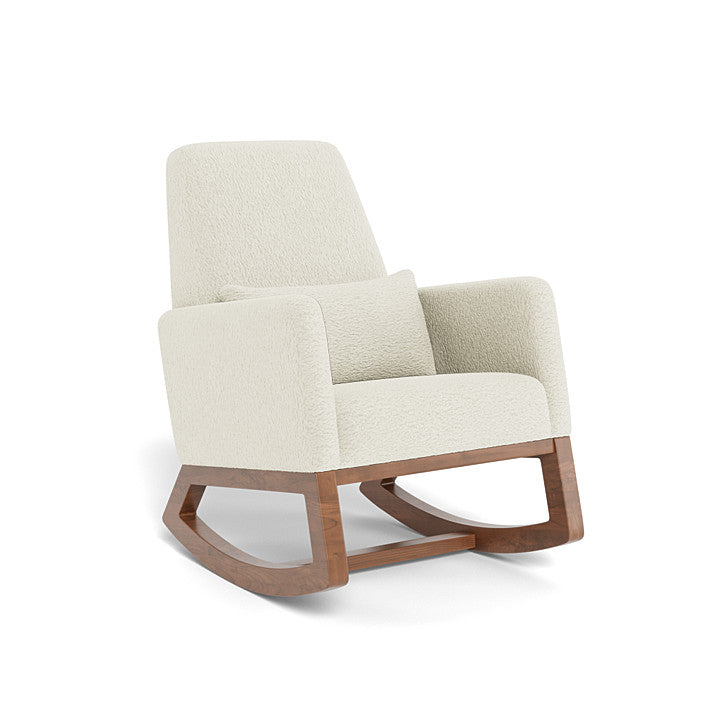
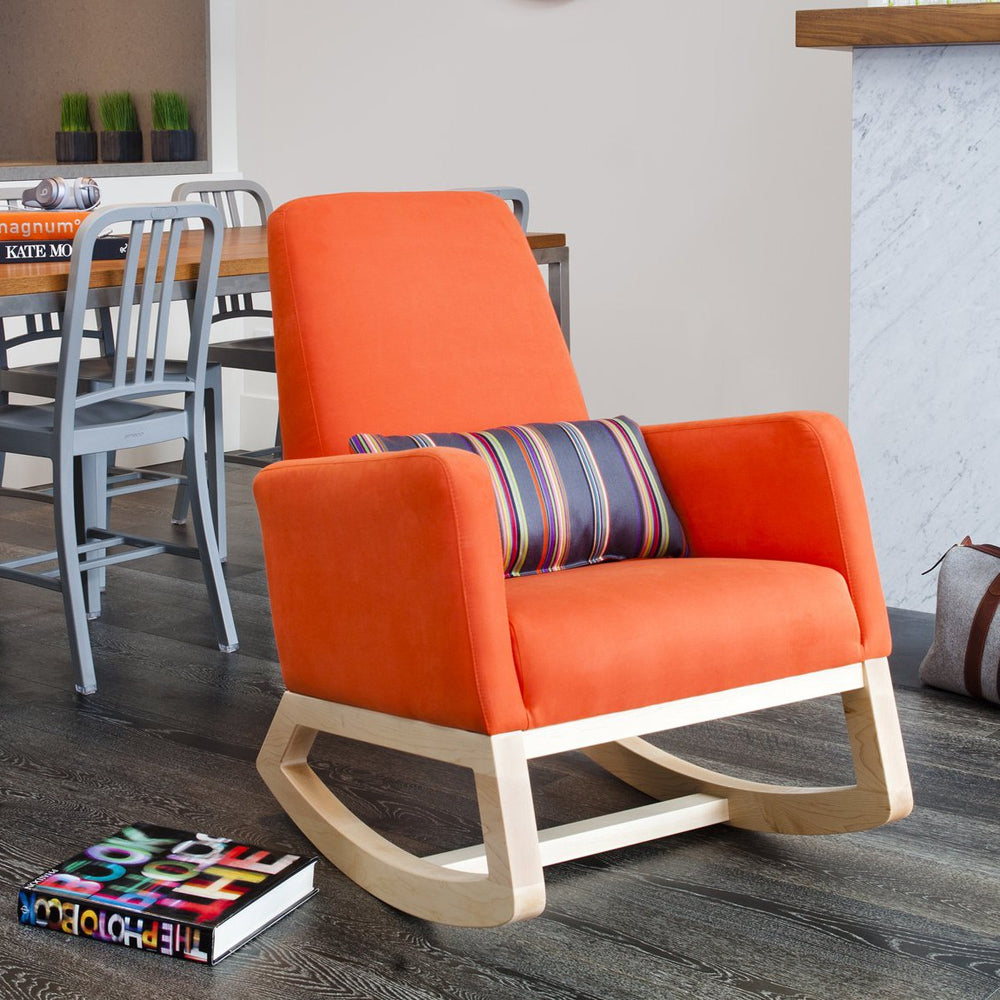
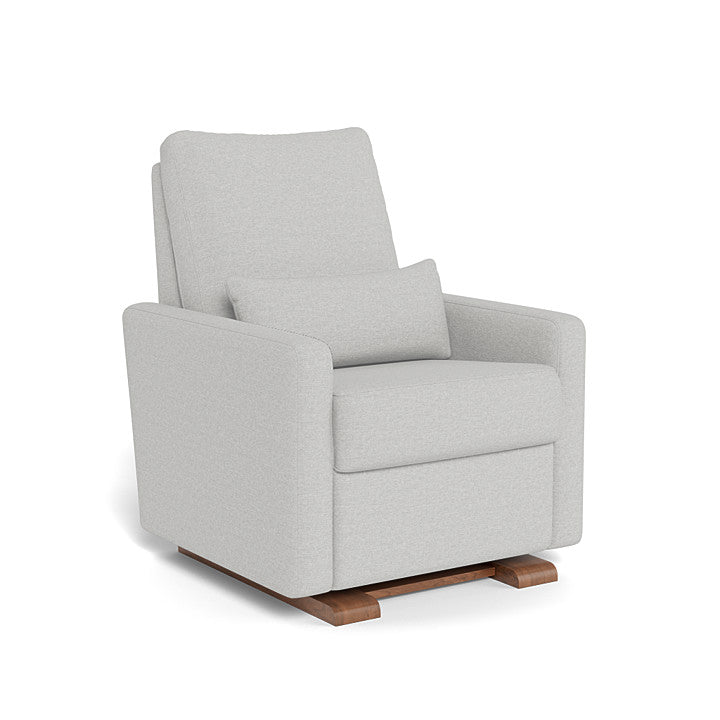
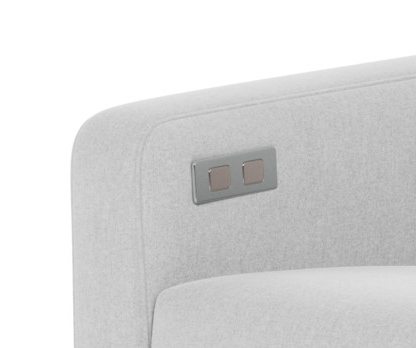
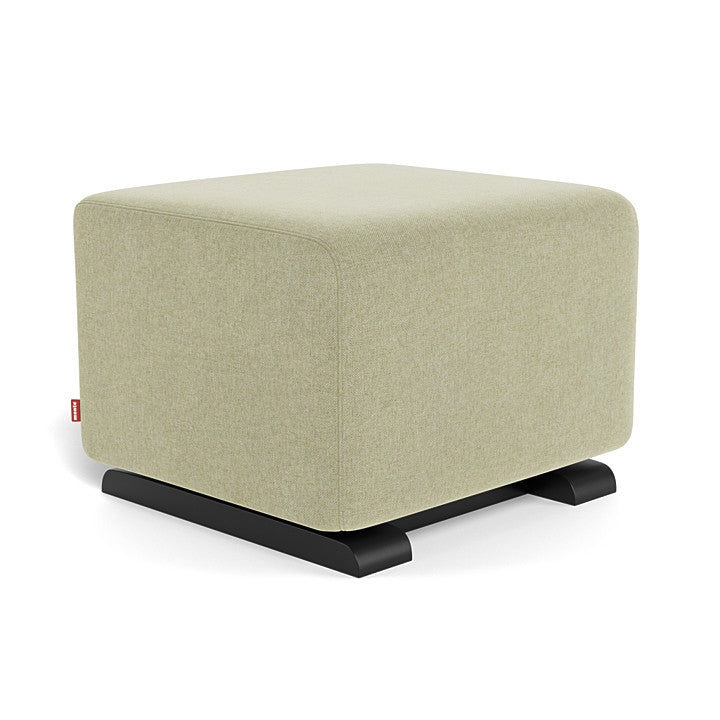
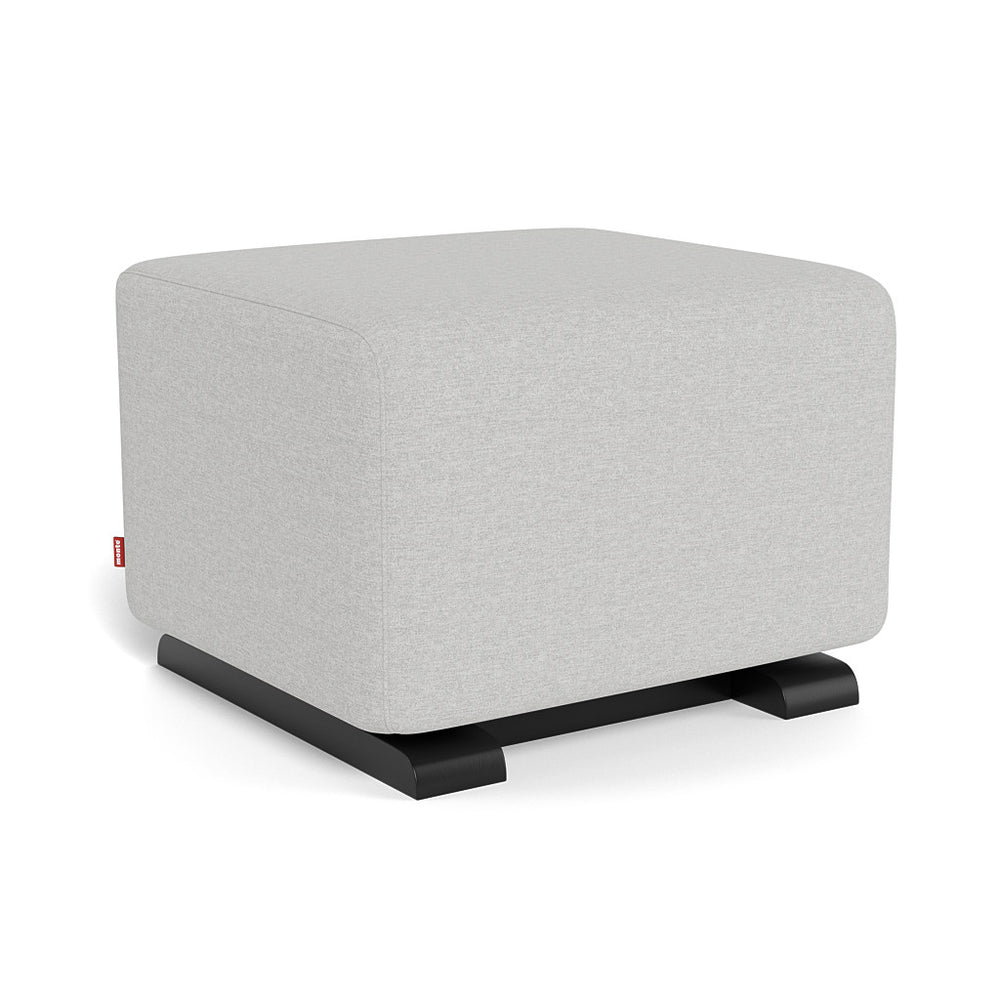
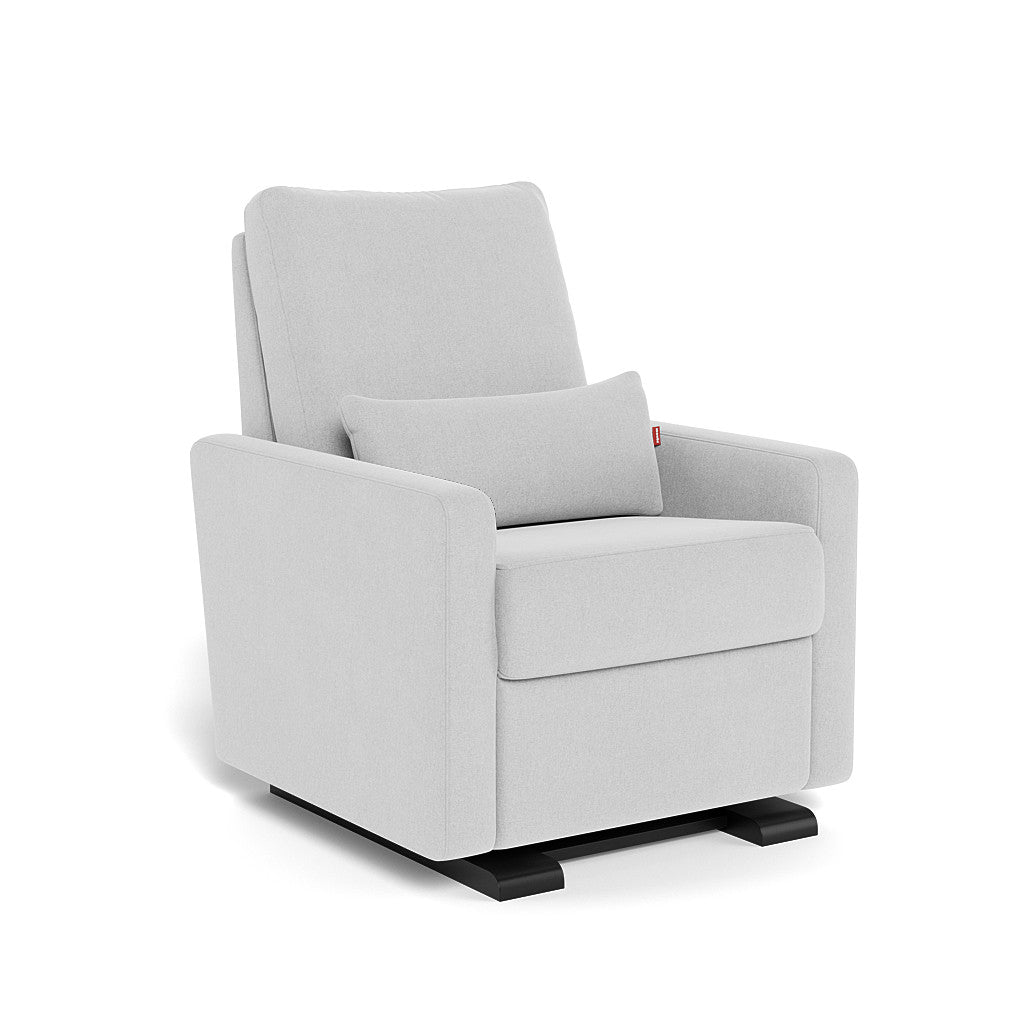
Feeding happens a lot, and you'll be doing it in the middle of the night more than once. Where you physically sit matters more than most registrant expect going in. This is the glider-vs-rocker decision: gliders give smoother motion and more features, rockers are simpler, more compact, and generally more budget-friendly.
If you're working with a small apartment, the honesst question isn't glider or rocker in the abstract, it's which one actually fits your room's shape, clears a doorway, and doesn't block a closet. Measure the space before you fall in love with the chair.
See: Glider vs. Rocker, and Best Space-Saving Gliders & Rockers for Small NYC Apartments
FAQs
Most babies outgrow newborn-size clothing within 2-4 weeks. Growth rate varies by baby, but newborn sizing is generally built for babies under 8 lbs., and many infants cross that threshold within their first month.
It's not required but soft, breathable natural fibers like cotton are generally gentler on newborn skin than synthetic blends. The American Academy of Pediatrics (AAP) notes that newborn skin is more sensitive and prone to irritation than adult skin, so fabrics without harsh dyes or synthetic finishes can reduce the risk of rashes, though organic certification itself isn't a medical requirement.
Hats can be worn outside, but aren't necessary indoors once you're home in a normally heated apartment. Mittens are optional and mainly used to prevent scratching from newborn nails rather than warmth.
Yes, wash new baby clothes before the first wear to remove manufacturing residue, dyes, and any irritants picked up in shipping and handling. Use a fragrance-free, dye-free detergent formulated for sensitive or baby skin.
No, sizing varies noticeably between brands, even within the same labeled size. A baby who fits 0-3 month garments in one brand may need 3-6 months in another, so it's worth checking each brand's size chart rather than assuming consistency, especially when buying gifts or registry items across multiple brands.
A realistic starter layette for a small apartment is 6-8 onesies, 4-6 footies, 1-2 outer layers (sweater/coat), and one going-home outfit in 0-3 month sizing, skipping bulk newborn-size purchases. This lean approach avoids overloading limited dresser and closet space while still covering laundry cycles comfortably. Paring it with a space-efficient dresser set up (see the Best Dressers for Small Apartments guide) keeps the whole layette and storage system working together rather than fighting your square footage.
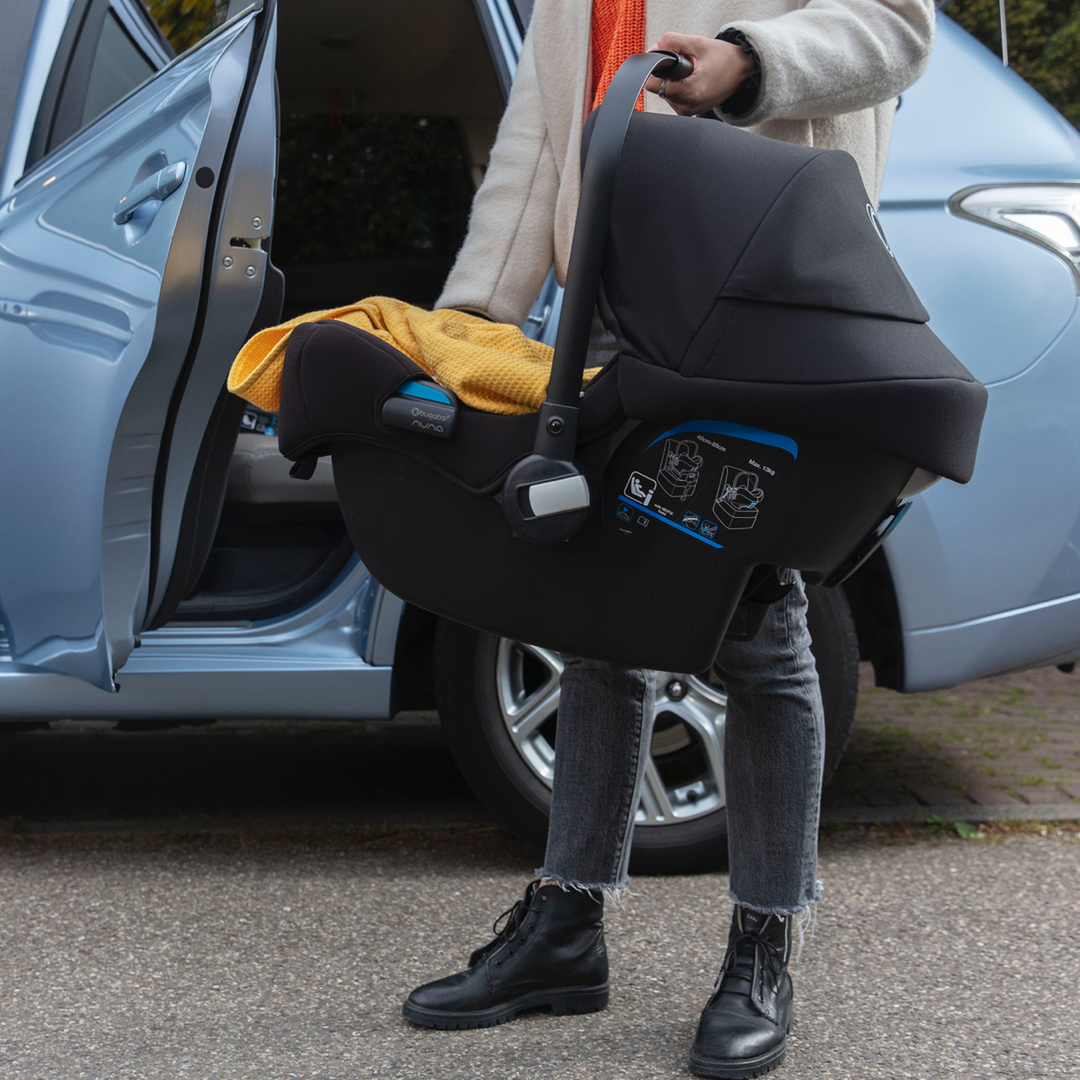
Beyond clothing, a full nursery setup covers four other areas: sleep, changing, feeding, and gear. See our Sleep guide for crib, bassinet, and sleep sack/swaddle picks, our Changing guide for changing table and dresser options, and our Feed, Ride, Stroll, and Carry guides for bottles, high chairs, strollers, car seats and carriers --- all curated for NYC families.


From the Blog

Onesies, Rompers, & Footies Oh My! How Many Do I need?

Newborn vs 0-3 Month: Which Size Should you actually register for?