What Is a Layette? A New Parent’s Guide to Baby’s First Wardrobe

A layette is simply a newborn’s starter set of clothing and essentials for the first weeks and months of baby's life.
The word layette itself comes from the French language, meaning small box or coffer and the concept dates back to the mid 1800s at least. Since that time, it’s been customary to celebrate the rite of passage of impending parenthood with a "layette" or collection of essentials gifted to celebrate and support the parents-to-be.
In this article, we’ll dig into what a layette includes, how it differs from your registry or nursery setup, and why choosing the right styles and sizes matters even more for NYC families.
TLDR
-
Layette is that first collection of clothing for the first few weeks and months of a newborn’s life. A layette typically includes bodysuits, footies, rompers, tees, pants, hats, mittens, outerwear, and swimwear. It can also include essentials like swaddles, sleep sacks, and burp cloths.
-
Layette is different from your registry or nursery setup, as layette refers to the soft goods like clothing, while the nursery set up is all about hard goods and furniture. The registry, then is the umbrella category, encompassing everything you need to prepare for baby.
-
Layette planning is particularly important for NYC apartments because we’re short on space. This means ensuring you are choosing the right amount of the right styles — namely not too many NB or 0-3 sizes, which are often grown out of in weeks. Make sure you have storage set up to accommodate your layette, ideally arms’ reach from the changing table.
Table of Contents
-
What’s Included in a Layette?
-
Layette vs. Registry vs. Nursery Setup
-
Why Layette Planning Matters More in Small NYC Apartments
What’s Included in a Layette?
A layette will include a variety of clothing and accessories for baby. It will normally include:
Bodysuits / onesies

One of the key types of clothing in a layette is the onesie, or one-piece. A onesie is basically a short or long sleeve shirt that snaps at the crotch. We love the envelope style options for the first three months, as they’re easy to put on and off and don’t require you pulling anything over baby’s head.
What they’re for
Onesies are built for easy diaper changes, as the snapped bottom gives you direct access to the diaper. These can be layered for sleep and often serve as a base layer, going under any other clothing like footies, shirts, or pants.
Footies / sleepers

Footies are one-piece outfits that babies normally wear to bed that feature foot coverings. Choose a breathable material so baby is less likely to overheat.
What they’re for
These are popular for sleep (newborns nap every couple hours so you’ll get lots of use out of these), as they’re easy to put on and off and keep baby covered and warm.
Rompers

Rompers are one-piece outfits that stop at the ankle (unlike footies). These one-step dressing options are very popular as for a sleep deprived parent, they require no mixing or matching. Just one choice, guaranteed to be cute.
Try Pehr, Kyte Baby, Quincy Mae, Rylee & Cru, and Magnetic Me for some great ensembles.
What they’re for
Rompers great pics are for easy daywear. Choose one with zippers, snaps, or magnetic closures for easy on and off.
L/S & S/S Tees

You might alternatively (or additionally) want a number of long and short sleeve tees for layering. Once you get your new parent sea legs on, you can start styling your sweetie.
What they’re for
Layering, styling and easy mix and match. Daywear like a romper.
Pants
Like shirts, soft pants and leggings are great layering pieces that can go under a footie if the nursery is colder or be the main event paired up with a cute top.
What they’re for
Same as the shirts: layering, styling, mixing and matching. Daywear like a romper.
Swaddles / sleep sacks

You’ll also need some swaddles and sleep sacks. While both styles are popular for sleep, swaddles are intended for newborns up to when they’re pushing up on their hands, and sleep sacks are basically wearable blankets for babies who have grown out of sleep sacks.
Some swaddles are simply muslin fabric that you wrap the baby in (snug, like a burrito) to quell their Moro Reflex. For those who are afraid they’ve given birth to a Houdini, there are also swaddle bags and swaddles with Velcro so you don’t need to master the swaddling technique.
We love options from Loulou Lollipop, Kyte Baby and Pehr.
What they’re for
Safe sleep: swaddles for the first 3 months and sleep sacks afterward, until your child can sleep with a blanket (12 months +)
Bibs, burp cloths

You’ll also want bibs and burp cloths in your layette assortment. These can be plain or with geometric patterns, pretty florals, or silly prints, as the mood affords. Some bibs have little “catch all” compartments for any drips and drops.
These are silicone and muslin options from Loulou Lollipop, Baby Bjorn, Charlie Crane and more.
What they’re for
Protecting the wardrobe from spit up (theirs = bib, yours = burp cloth), and sometimes for a fashion statement!
Hats, socks, mittens

Your layette will also include hats, socks and mittens as the finishing touches that complete their ensemble.
We love the options from Quincy Mae, Colored Organics, and Pehr.
What they’re for
Hats to protect their head and keep it warm (though never let them sleep in a hat as they can overheat). Socks to keep their tootsies warm. And mittens not for warmth but to protect their delicate skin from being scratched by their razor sharp finger nails.
Basic outerwear
Add to your layette a season-appropriate topper - something warmer for winter and an extra light layer for spring/fall. You might also snap up a raincoat, although your stroller rain cover will also do the trick.
What they’re for
Keeping baby warm and dry, whatever the season.
UPF clothing, swimwear and hat (season-specific)

If yours is a summer baby you might also add to your layette a special rashguard and hat that are UPF protected. Your baby shouldn’t be in the sun - especially before they are allowed to use sunscreen.
What they’re for
If you’re in a sunny spot, getting UPF clothing can help protect their sensitive skin.
A note on the going home outfit

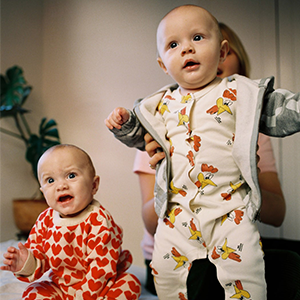
Beyond the layette basics, you’re going to want a few special ensembles, including the “coming home” outfit, and perhaps a party frock. This is when you lean into special - special fabrics, patterns and fun. We are crazy for brands like Bobo Choses, Mini Rodini, Molo, Rowdy Sprout and Rylee & Cru for some of the sweetest and most photogenic coming home options, ranging from soft and sweet to bright and full of personality.
Whatever you pick, make sure the fabrics are comfortable and breathable, it’s easy to wash, and getting in and out of it for naptime and diaper changes is a snap.
Layette vs. Registry vs. Nursery Setup
There are lots of new terms thrown around at you as a new parent and it’s easy to become confused. It may feel as if you’re swimming in lists!
To be clear, your layette refers specifically to clothing, whereas your nursery is your baby’s room filled with hardgoods like a crib, changer, and glider. The registry is the catch all list of everything you think you need that is typically shared with friends and family so they can participate in your happy occasion!
Why Layette Planning Matters More in a Small NYC Apartment

Without a full nursery’s worth of dresser and closet space, an edited layette featuring the right quantities and sizes, including versatile pieces, matters more than the big-box “buy everything” approach.
With limited square footage to work with, you need fewer, more strategically selected layette pieces, and a good spot to store them. Whether a dresser or closet, organize the space so you have easy access to the sizes you need first. Then move things around as baby grows out of those first sizes. Don’t go too deep on Newborn size, as often babies grow out of that size in a matter of weeks. Some babies are even born too big for that first size.
Building Your Layette with Babesta

When it’s time to build your layette, Babesta has all the best brands with easy on-off, in natural materials like Pima Cotton, organic cotton, bamboo, and merino wool.
For registry, we steer you to evergreen styles (or you may want a fashion gift card to pick your faves closer to your due date). As for the going home outfit, that’s something you might want to just pick out for yourself. When you see the perfect frock, snap it up and tuck it in your hospital bag, waiting for the big day.
Frequently Asked Questions

Is a layette just for newborns, or does it cover more?
Layette is intended to be the first clothing for your baby, generally NB, 0-3 months, and 3-6 month sizes. Of course there is no hard and fast rule, so if you want to add some 6-12 as well, go right ahead. Just make sure you’re well covered for those first months so you don’t have to think about it during those first sleepless weeks.
Do I need to buy my own layette or is it usually gifted?
Layette basics are commonly gifted through the registry, while seasonal fashion pieces are better bought yourself. That's because it’s likely that if you register for seasonal clothing, it may not be there by the time someone’s shopping on your registry. Basics, on the other hand, are commonly evergreen.
What’s the difference between a layette and a baby registry?
A layette refers to the clothing and soft goods that a newborn baby needs. A baby registry is a list of everything a baby needs. Many parents include layette items on their registry, so that friends and family can purchase these essentials for their baby shower.
How many layette pieces do I actually need?
There’s not a specific number of layette items you need, but rather a range of items in specific categories and sizes. For example, you may opt for 2-3 onesies in NB, 3-4 onesies in 0-3 months, and 2-3 onesies in 3-6 months. This way you're covered on either end. For greater detail, we break it down for you in The Complete Layette Checklist.