



Swaddles vs. Sleep Sacks Explained

With 14 to 18 hours of sleep a night, your baby needs to have a good PJ game going on. You've probably heard of swaddles and sleep sacks, but may wonder which is better for your little one to get their zzzs?
In this article, we'll tell you what swaddles and sleep sacks are and when each type of sleepwear should be used. We'll also give you a few safe sleep tips from the American Academy of Pediatrics.
TLDR
1. A swaddle is just a large piece of cloth, often made of muslin or other breathable, natural material. It is used to wrap a baby up, including their arms and legs. The snug fit mimics the feeling in the womb, and stills their Moro, or startle reflex. Swaddles should only be used until a baby tries to roll over or push up on their hands.
2. A sleep sack is a wearable blanket, and is next stage of sleepwear for babies. These can be used from birth, but are often used after baby has outgrown a swaddle. In a sleep sack, baby's arms and legs are free to move, making it easier for baby to right themselves if they turn over.
What is a swaddle and when do I need one?

A swaddle is a pretty simple piece of baby gear, though it's arguably one of the most useful. It's a big piece of cloth, often in muslin, organic cotton, or other breathable fabric. You lay it out and then set your baby down and wrap them up burrito-style.
Swaddles are meant to be snug, in order to replicate how the baby felt in the womb. With arms and legs tucked in, the idea is to still your baby's Moro Reflex, also called the Startle Reflex (basically when your baby flails their arms and legs as they sleep, sometimes waking themselves up).
Types of swaddles
There are a few different types of swaddles, ranging from a large piece of cloth (most common) to some assisted swaddles that snap, zipper or Velcro shut. The latter are popular with those who don't trust their burrito making skills or have found that their baby is a regular Harry Houdini. (See our Kyte Baby swaddle bag, or the convertible swaddle to sleep sack Kyte Baby Sleeping Bag Swaddler)
When to use a swaddle

Swaddles are commonly used from day one, and can be the preferred sleep garb until they're starting to roll or push up on their hands. Generally this happens between 2 and 4 months. Once they're doing that, it's unsafe to continue using a swaddle, and you should immediately transition to a sleep sack or other pajamas.
The gist of it is, if their arms and legs are bound and they roll, they won't be able to right themselves which is dangerous. In a sleep sack, baby's arms and legs are free.
What is a sleep sack and when do I need one?

A sleep sack is generally used after the swaddle at about 2-4 months, though can be used from the beginning. These wearable blankets are fitted to baby's top but are not snug so to still the Moro Reflex, and often have arms out and free.
Thermal Overall Grade (TOG) and sleep sacks
You'll notice something called a TOG rating on sleep sacks - this refers to the garments Thermal Overall Grade. Basically, how hot it is. The rule of thumb is when dressing a baby you never put them in more than one layer more than what you would be comfortable in, as babies can overheat easily. When it comes to sleep sacks, the thickness of the fabric matters.
Choose a TOG for the indoor temperature. Higher TOG (thicker garment) in the winter, and lighter TOG in the summer. Be really specific about the temperature in your apartment, not outside.
Getting a good night's sleep in the city that never sleeps

We know, you're living in a city that's known to be 24/7 but you don't want your baby to be 24/7 (though they can feel that way!) Here are some tips to help your baby get a good night's (or at least a few hours) rest.
1) Make sure your nursery is sleep-optimized
When it's time for bed (or a nap) you want your baby's nursery to be quiet, cool but not cold, and dark. As for quiet (we are in NYC, cue blaring horns and people yelling Fuhgeddaboudit), do your best to keep the household at a whisper (no Ninja Mixers, please). If the double paned windows don't do the trick, you might try soft music or a white noise machine.
Set the Thermostat for 68-72 degrees, and to keep it dark, blackout shades do the trick.
2) Follow safe sleep rules
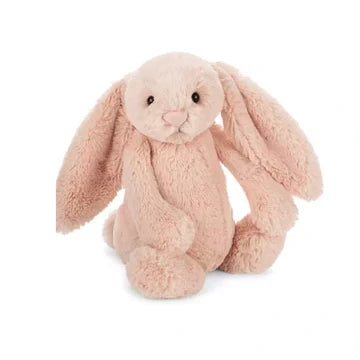
Keep baby safe by following safe sleep rules. When putting baby down for sleep, the American Academy of Pediatrics suggests to always place them on their back and to ensure the crib is bare. That means no Jellycats or blankets, as these can be dangerous.
To help your baby learn to self-soothe, they should be put to bed drowsy but awake (you'll thank us later!) Be sure anytime your baby is sleeping, it's always in a sleep approved space, such as a bassinet, crib, or travel crib. Babies should never be left to sleep anywhere else, and if they do nod off, you should move them to the crib promptly.
3) Try a pacifier
A pacifier can actually help your baby relax thanks to the non-nutritive sucking motion. Pacifiers are also associated with a lower risk of SIDS which is a very good thing. Although you don't want them using a paci forever, it can be a nice help at bedtime. We love the ones from Itzy Ritzy and Frigg.
4) Check the humidity
If your apartment is too dry, your baby may have a harder time settling. Make sure humidity is between 30 and 50 percent, and never over 60 percent (no one wants mold!).
5) Follow a bedtime routine
And last but definitely not least, be sure to create a bedtime routine for your little one that you do before every nap and bedtime. Make it short and sweet (no more than 15 minutes). It's more important to be consistent. We're talking putting on some relaxing tunes, changing their diaper and dressing them in their sleep sack or swaddle, reading a book (Good Night New York City, anyone?), and giving them a kiss goodnight. Voila!
Dreamy nurseries at Babesta

Now you know the fashion de rigueur for your baby's sleep -- swaddle for the first few months, then a sleep sack until they're ready for regular ol' jammies, it's time to pick up some options.
At Babesta, we have fun printed swaddle and sleep sack options from some of our faves like LouLou Lollipop, Etta Loves, and Kyte Baby. Oh, and we can't forget our own Aden + Anais x Babesta Exclusive (think taxis and pretzels!) We also have fitted crib sheets, pacifiers and other essentials to kit out your baby's room.
Dreamy nursery indeed!
Frequently asked questions
Can I put my newborn in a sleep sack?
Yes, you can put a newborn in a sleep sack, so long as you choose the right size for them. The only consideration is that a sleep sack does not calm the Moro Reflex, so your baby could startle awake.
Which is better, a swaddle or a sleep sack?
There's no single answer to this question - it's a matter of preference, your baby's age, and their stage of development. One think is clear, if your baby is rolling or pushing on their hands, a sleep sack is the better bet.
Do I have to put my baby in a swaddle or a sleep sack?
No, you can dress your baby in any sleep safe garment that's suitable for the room's temperature. Footed rompers are another option for sleep. One caveat: when it's time for bed, skip the hat, as hats can cause overheating.


Leave a comment