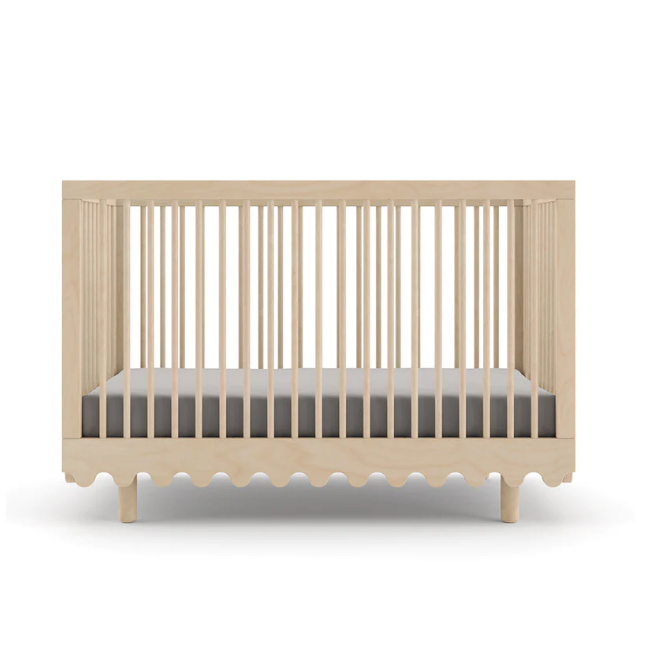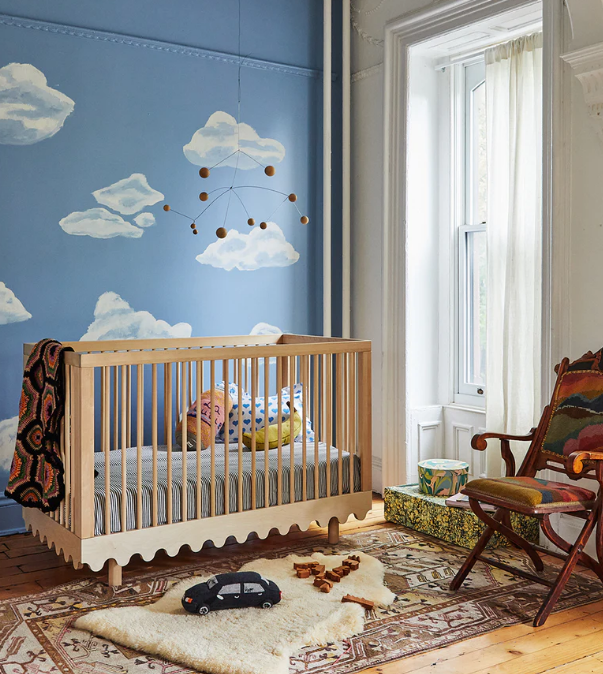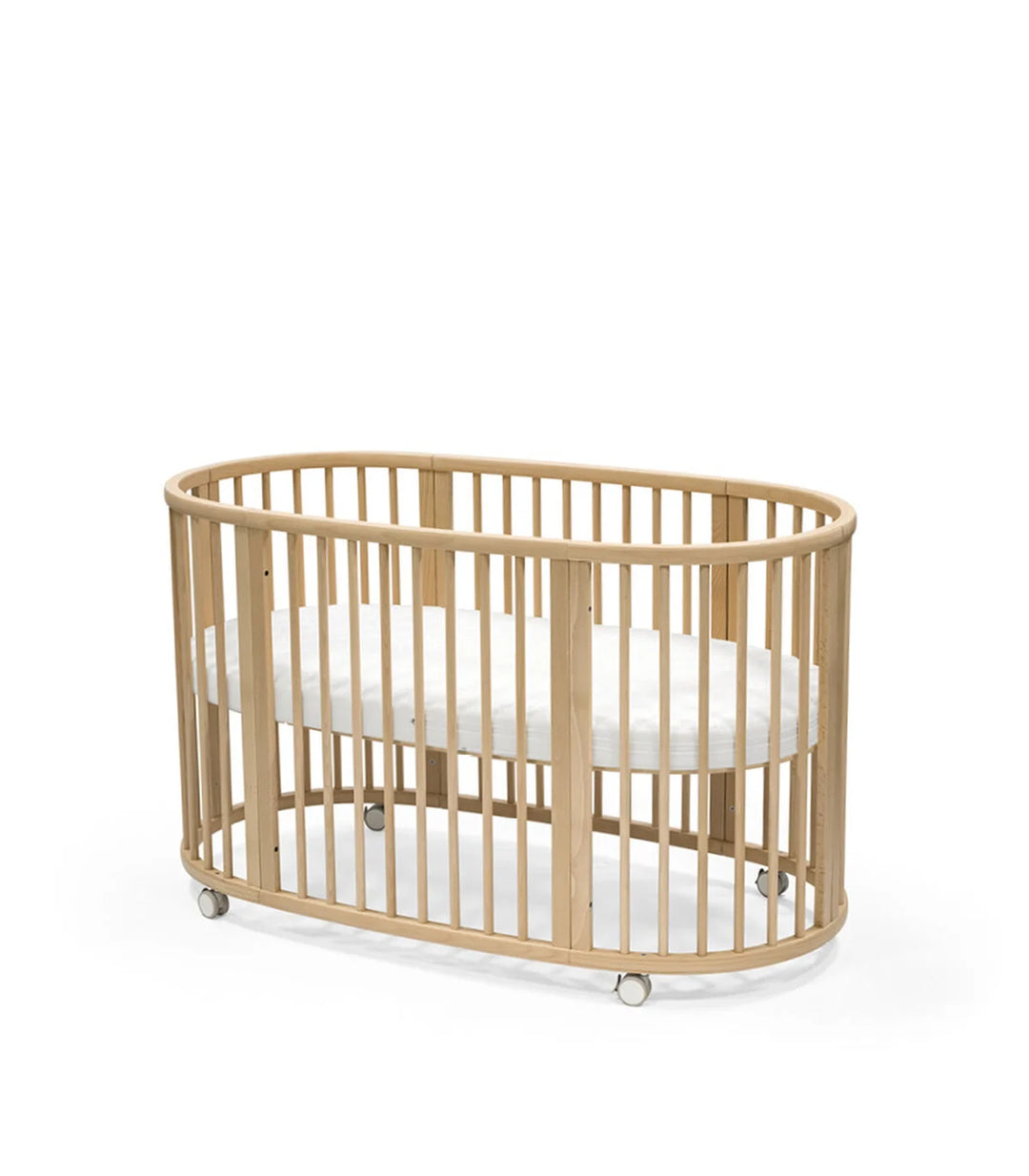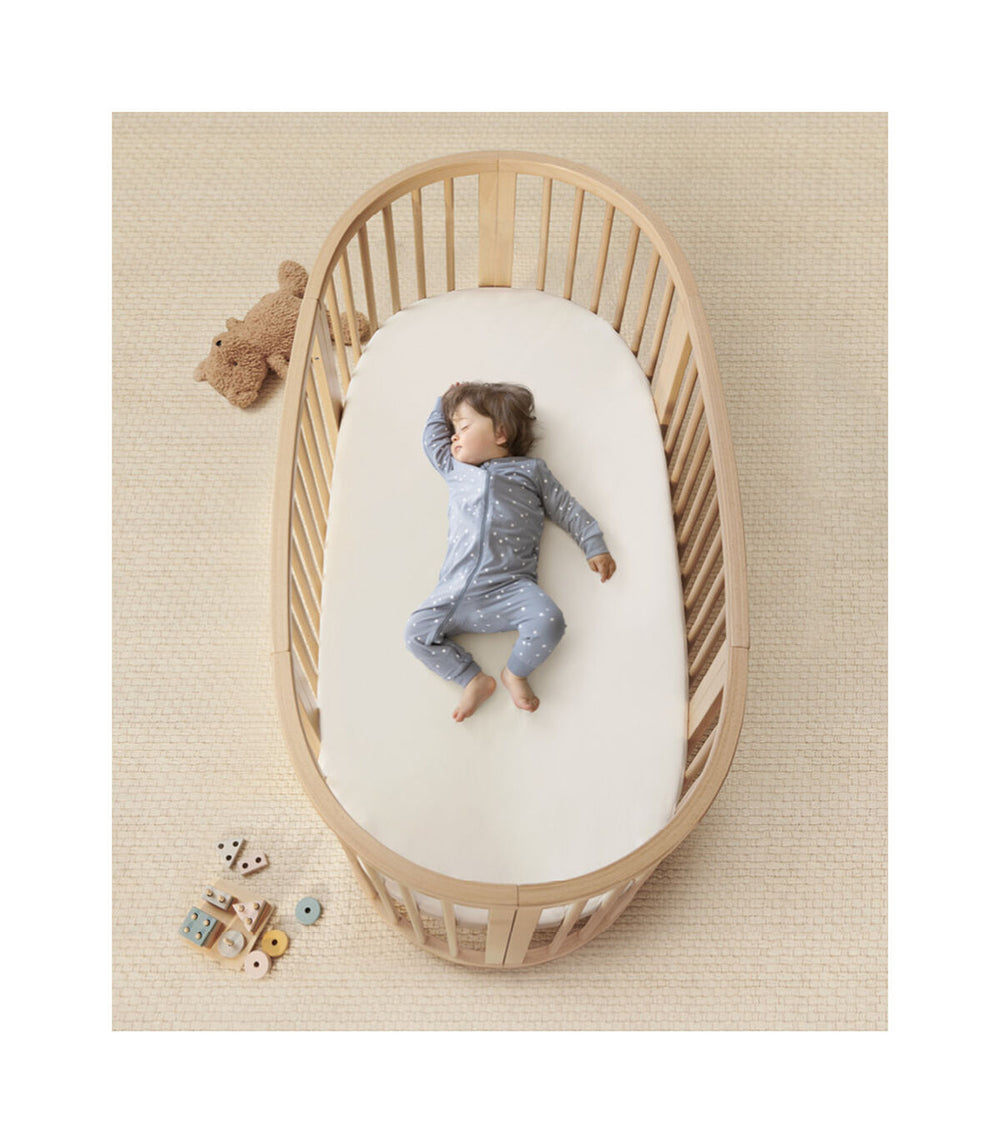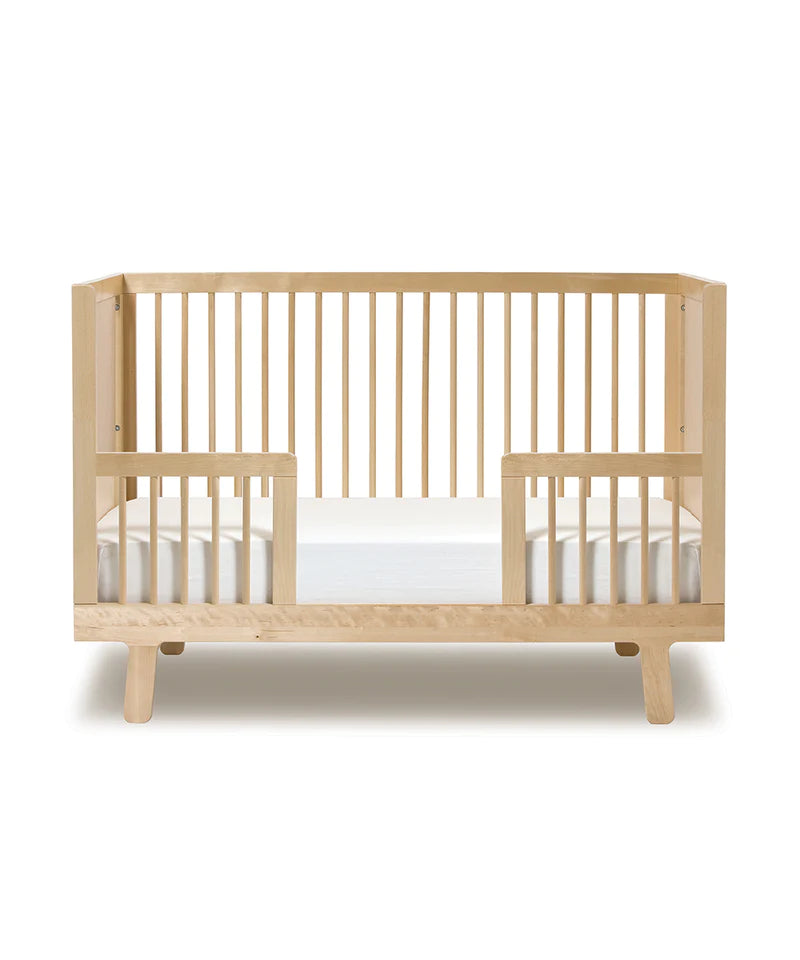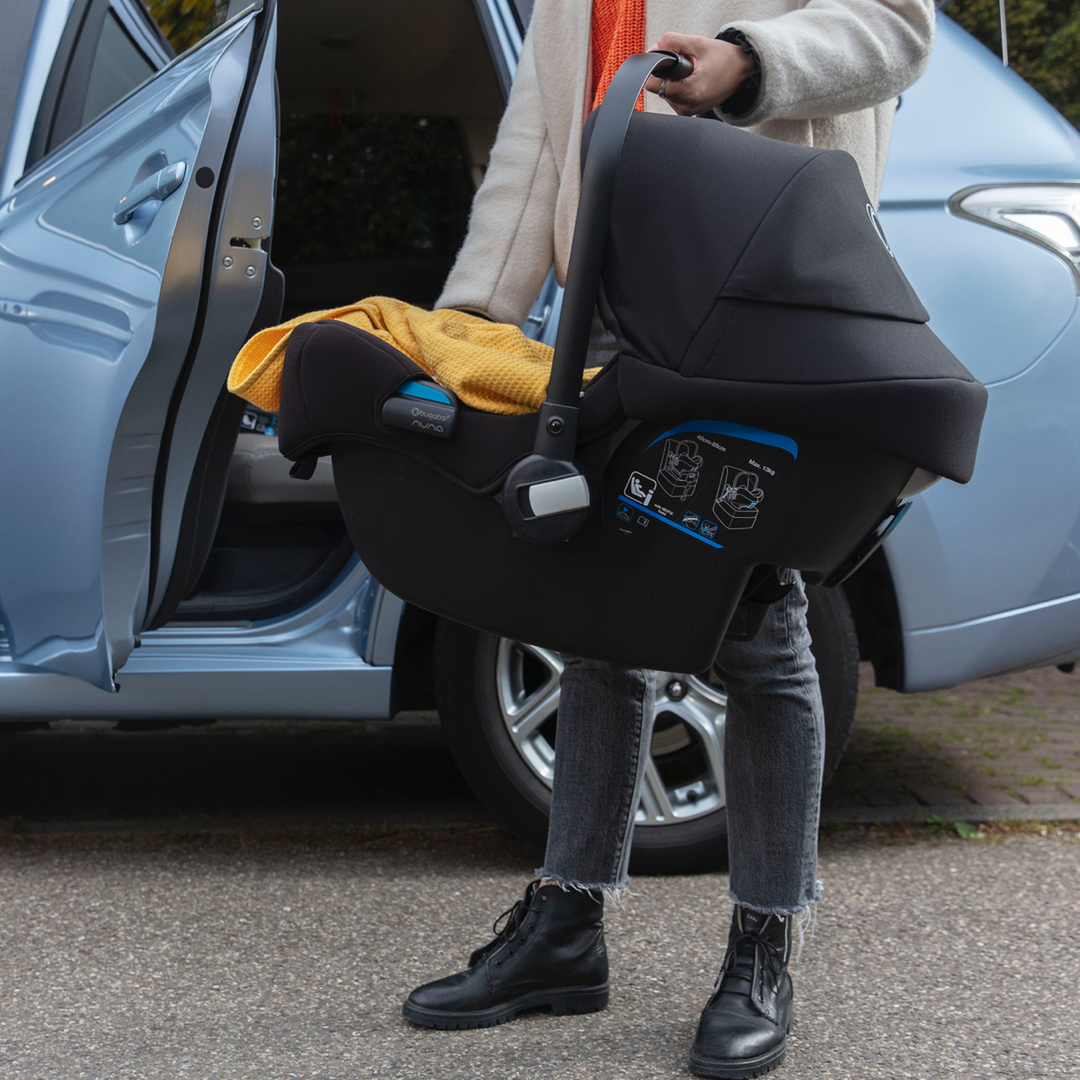





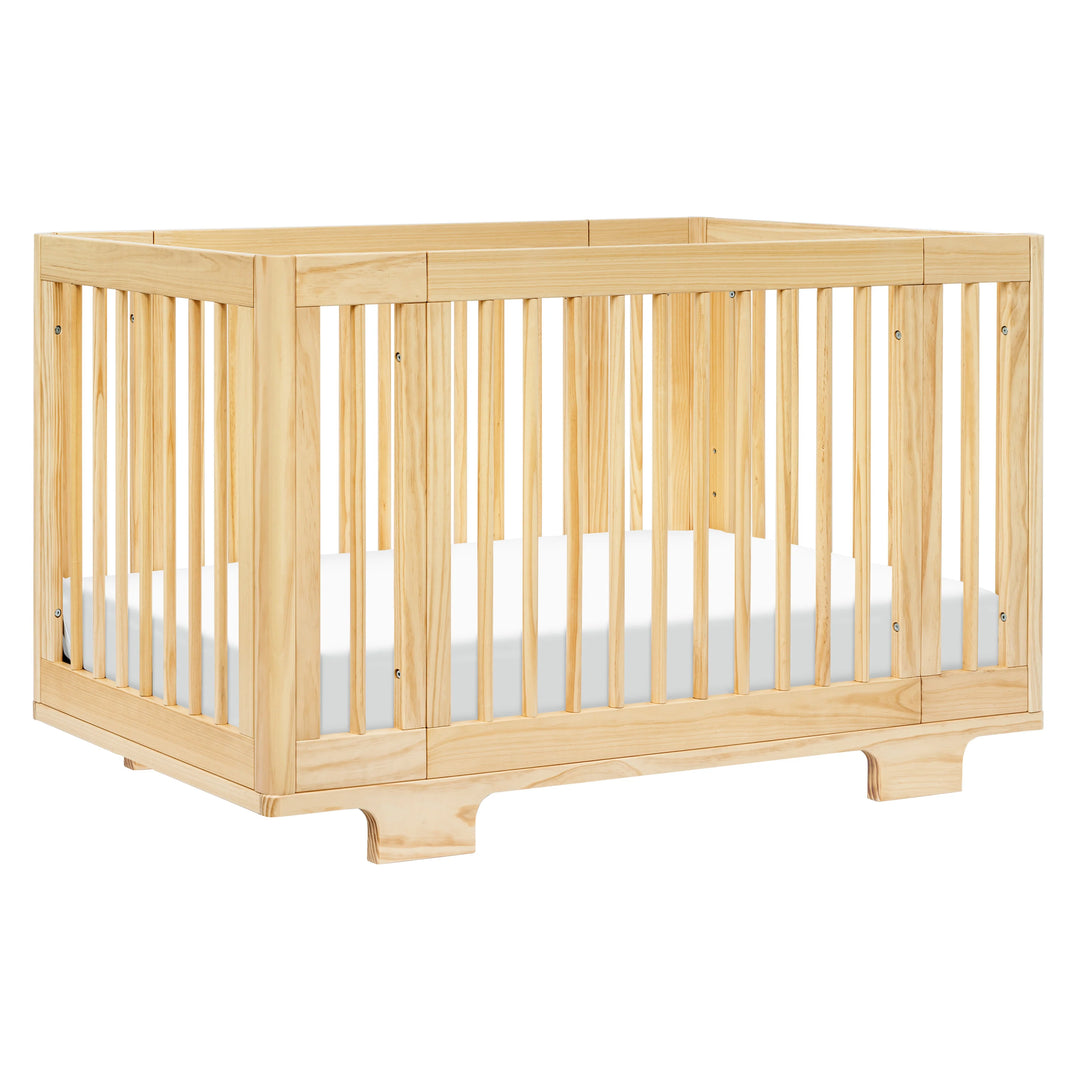
Everything baby needs for sleep, from bassinets, cribs, and firm, breathable mattresses, to fitted sheets, mobiles, pacifiers, swaddles and sleep sacks, all hand-picked for city families. Register today for baby's sleep necessities.




Need help? Babesta has your back!
Choosing your bassinet and crib
Bassinet or crib: What do I need first?
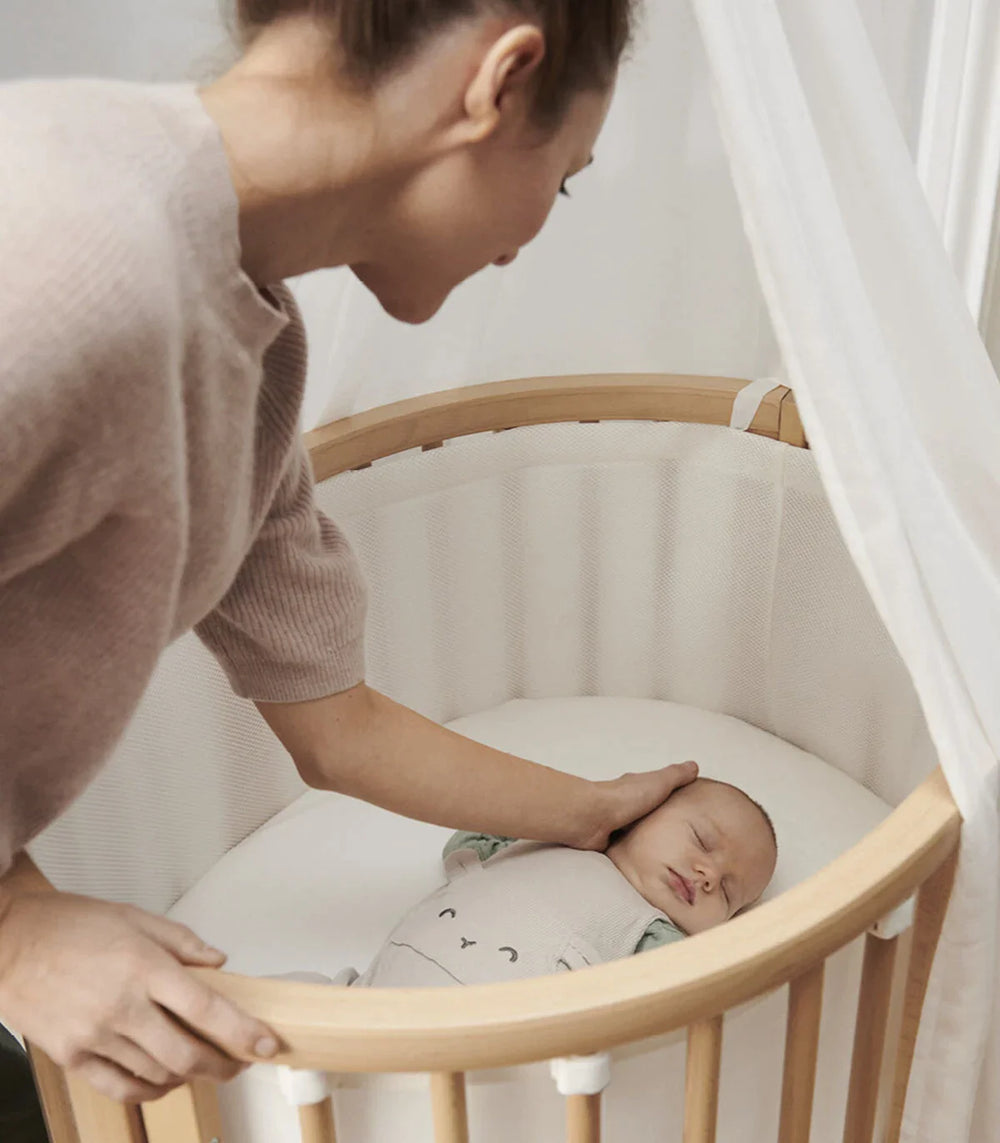
Start with the bassinet. For roughly the first 6 months, your baby will sleep in your room: The American Academy of Pediatrics recommends room-sharing (baby on their own separate sleep surface, not your bed) for at least the first six months. In most apartments, that means a bassinet by your bedside, not a full crib in a separate nursery.
You'll move to a crib when your baby hits the bassinet's weight limit (usually about 20lbs) or starts rolling over or pushing up - whichever comes first.
Bassinet vs. Crib: Do I really need both on my registry?
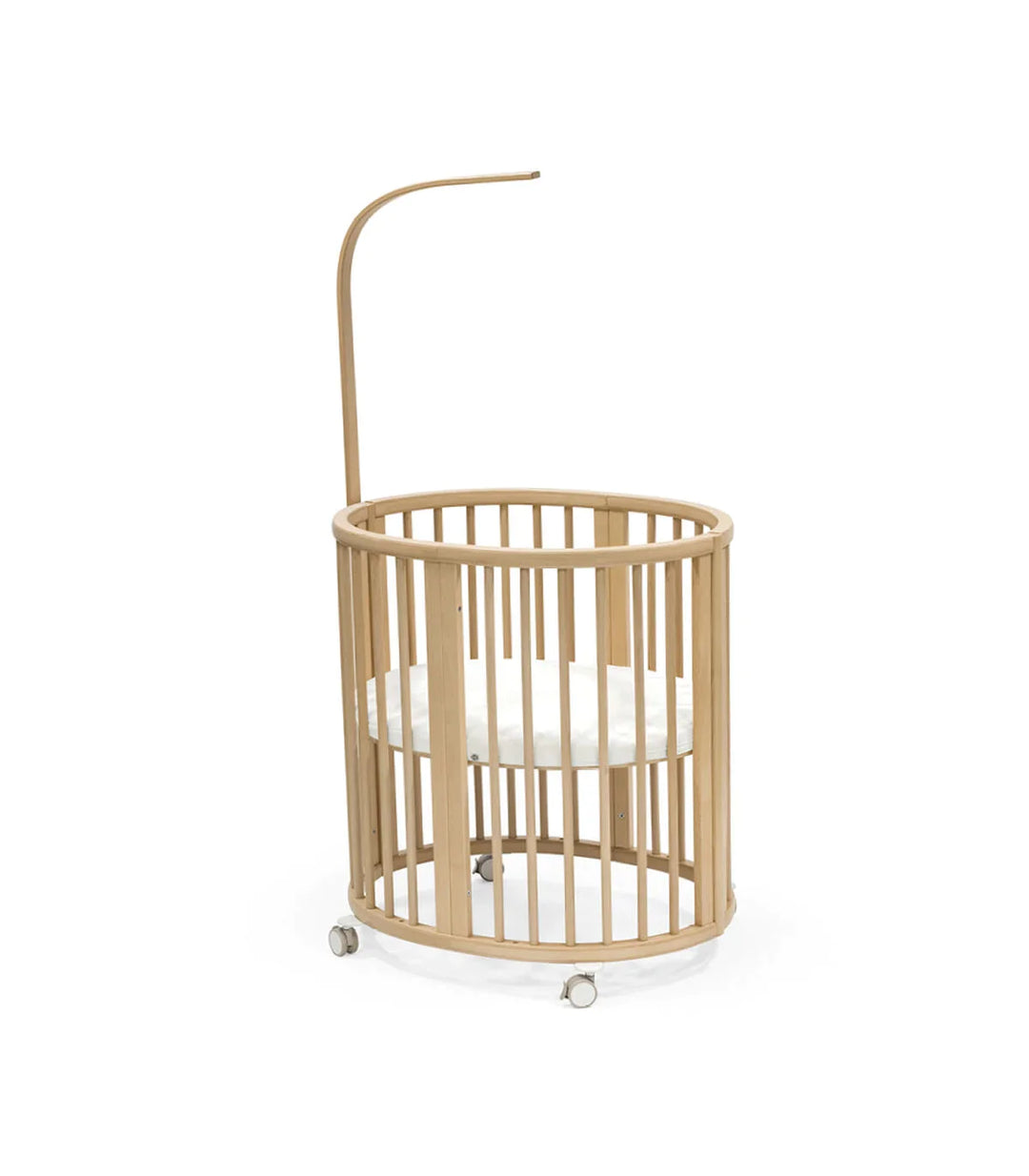
Yes and no. You definitely want a sleep-safe place that fits in your room so that you can room-share as recommended by the AAP for the first 6 months, however, there are options now like 4-in-1 and 8-in-1 cribs that offer multiple configurations including bassinet, mini crib, and full size crib, ticking the box of bassinet and crib in one purchase. Also, in some cases your stroller bassinet can double as an official bassinet (it must be "overnight sleep rated"), and same goes for your travel crib if it has a bassinet level.
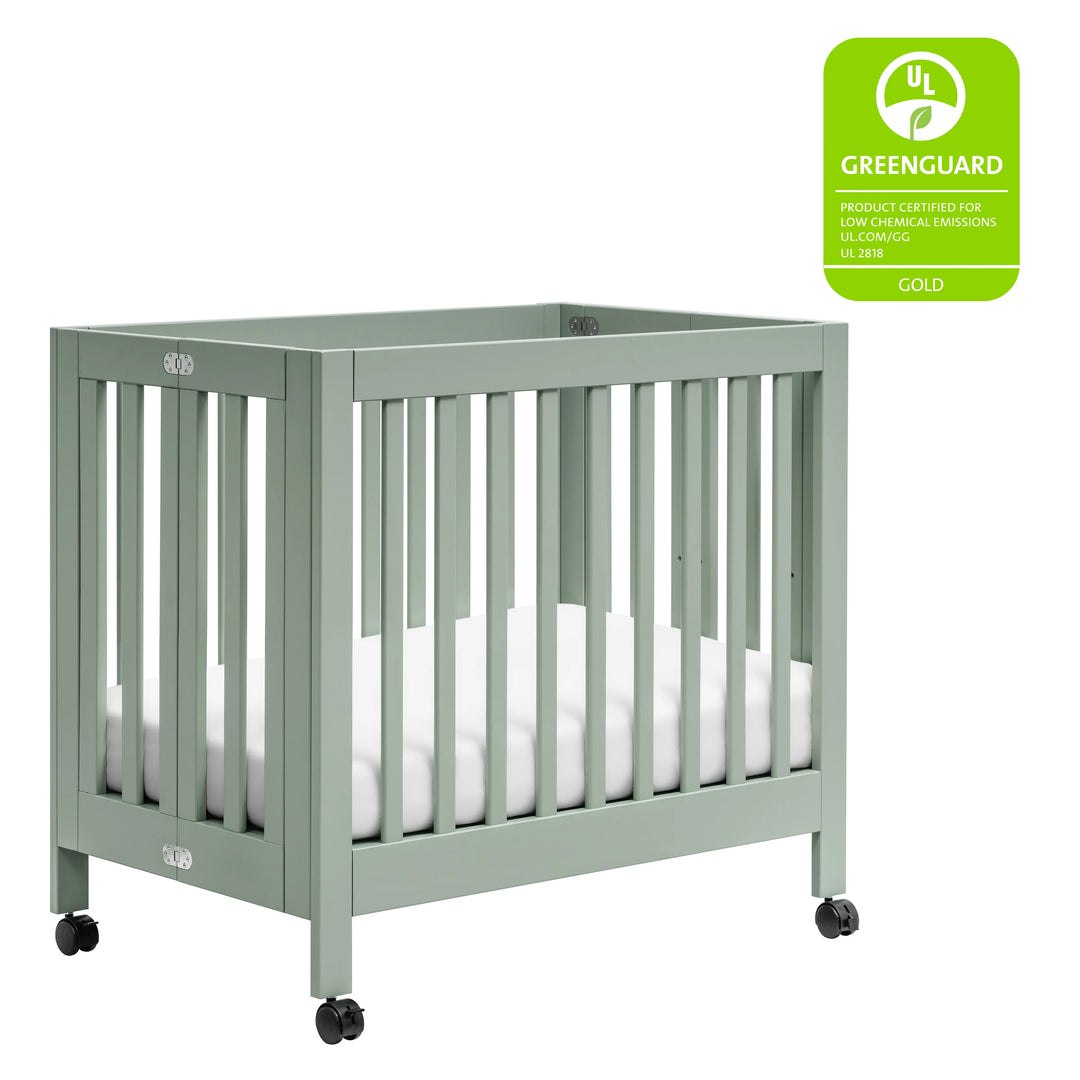
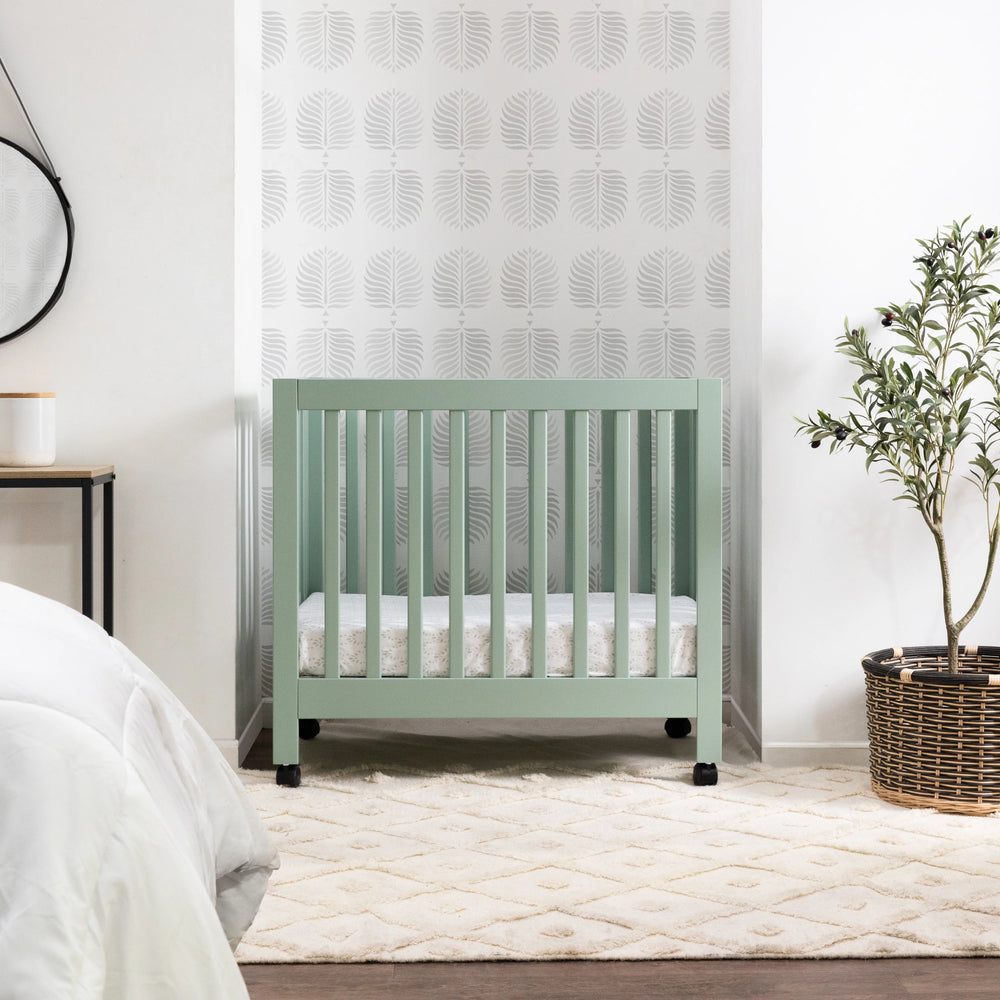
There's no rule you have to do it all at once as well: If you are getting both a crib and bassinet separately, you could register for the bassinet now and either register for the crib too (great for group gifting, since it's often the biggest-ticket sleep item) or wait until you know your space. If your bedroom is tight, look at compact or bedside bassinets; If your nursery is a corner of your own room, a mini crib can carry you to about 2 years old. A mini crib is bigger than a bassinet, but smaller than a crib and can serve both purposes at least for a while!
What else goes in the sleep section of a nursery?
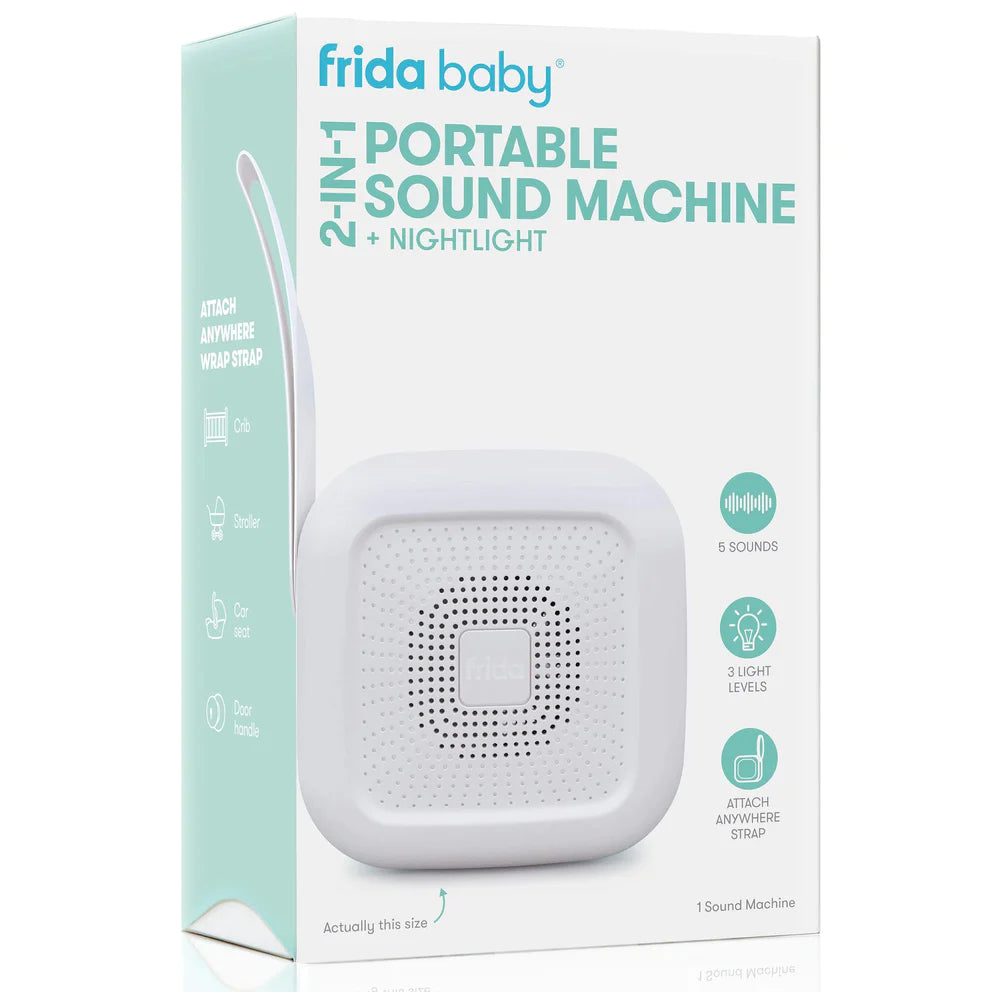
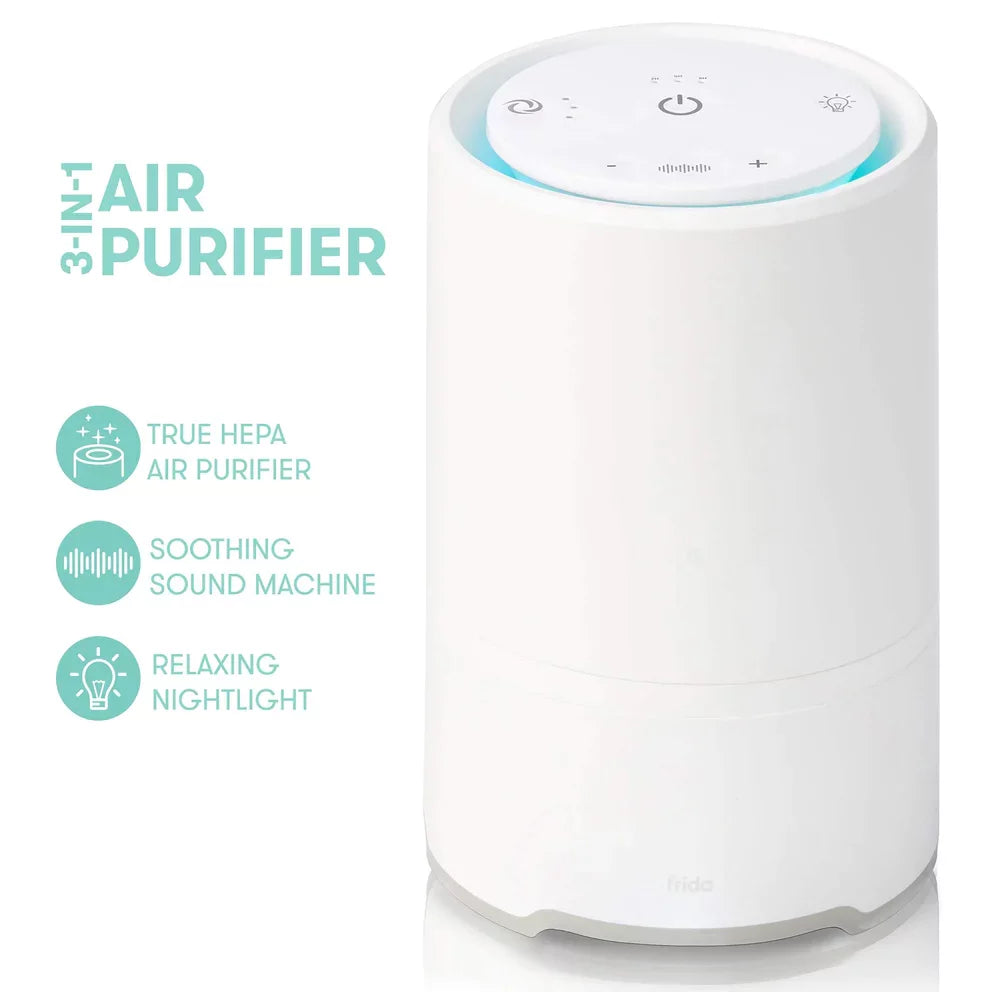
A firm, flat mattress that fits the crib snugly, 2-3 fitted sheets, a few swaddles for the newborn weeks, and sleep sacks for after. Pacifiers, mobiles, nightlights, and items that make the nursery more optimized for sleep (sound machine or humidifier) are also good to have on hand. Skip the bumpers, pillows, blankets, and stuffed animals: A safe crib is a bare crib.
FAQs
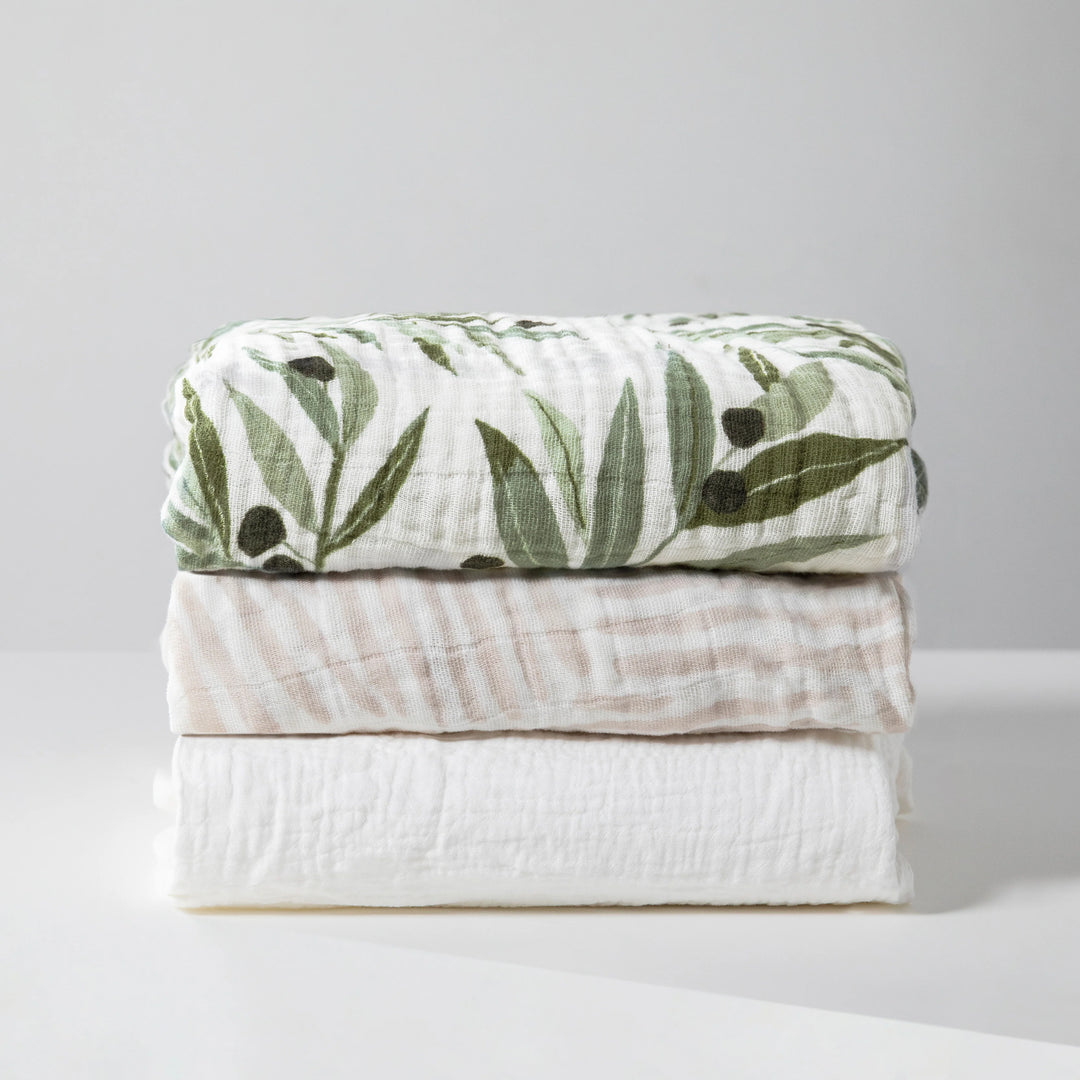
A swaddle wraps your baby's arms snugly and is only for the newborn stage. You must stop swaddling as soon as your baby shows any signs of rolling (often around 2–3 months). A sleep sack is a wearable blanket that leaves the arms free, and it's the safe way to keep a baby warm from that point on. Most families use both, just at different stages. Swaddles vs. sleep sacks, explained →
Usually 4–6 months. Move to a crib once your baby reaches the bassinet's weight limit (typically 15–20 lbs) or shows signs of rolling over or pushing up on hands and knees, whichever happens first.
Yes. A standard crib footprint is 28" x 52"; mini cribs run closer to 24" x 38" and many fold or roll for storage. Most babies can use one until age 2 or beyond. Just make sure the mattress is sold to fit that specific crib, as a snug fit is a safety requirement, not a preference.
Follow your ABCs: Your baby should sleep Alone (no blankets, pillows, bumpers, or toys), on their Back, in a Crib or bassinet with a firm, flat mattress and a fitted sheet. Room-share for at least the first six months, but don't bed-share. Sources: American Academy of Pediatrics safe sleep guidelines.
Only if it was made after June 2011, when current U.S. safety standards took effect (drop side cribs were banned then). Check for a model number and manufacture date, confirm it hasn't been recalled, and make sure all hardware is original and tight.
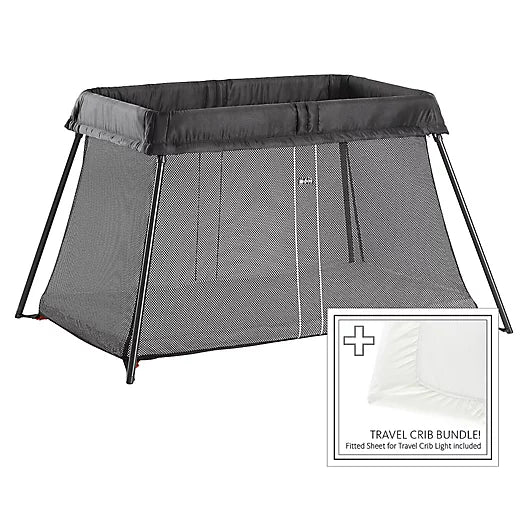
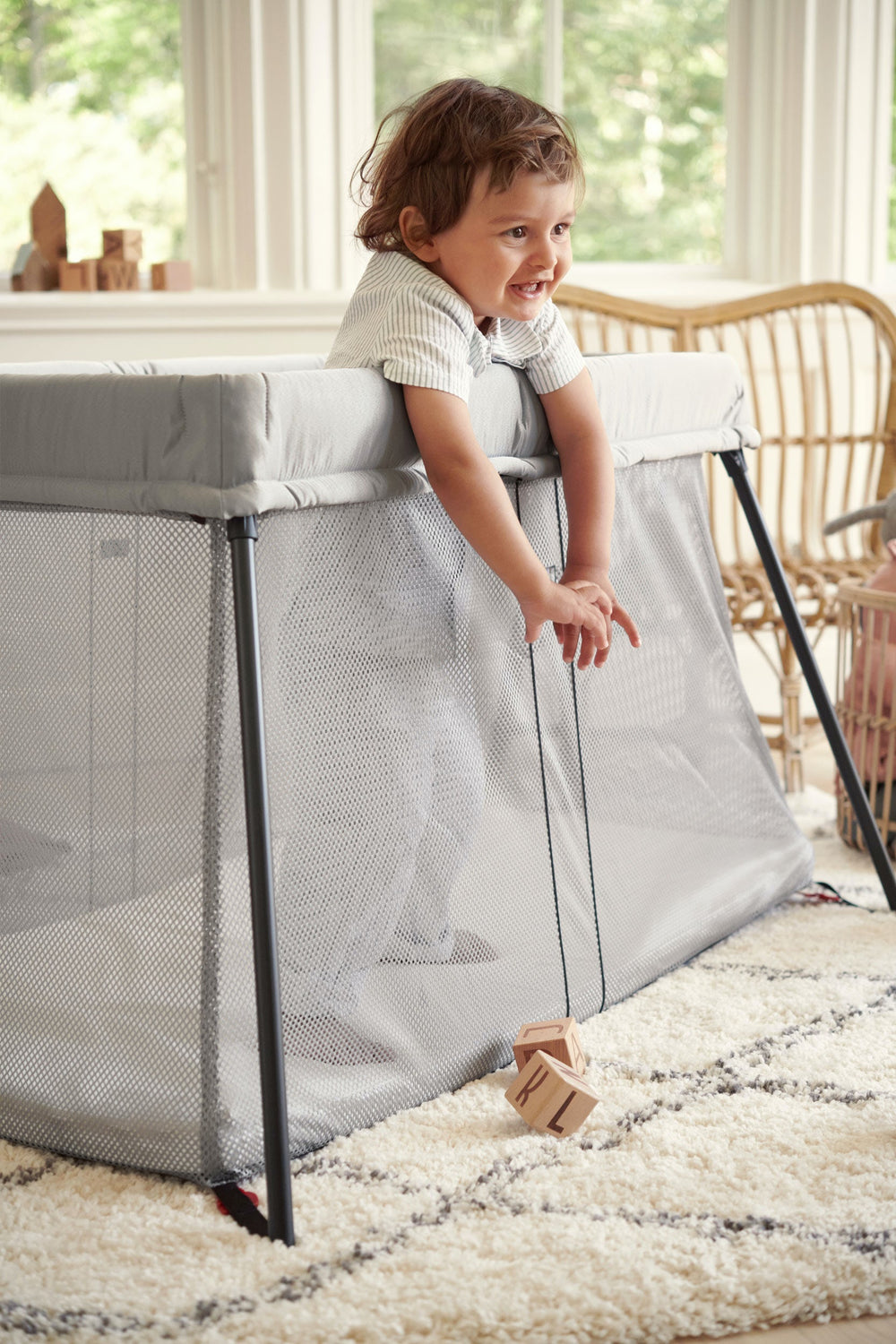
Not necessarily. Many playards have bassinet (higher) and regular levels that are approved for overnight sleep and can double as your travel setup. Check that the specific model says it meets bassinet safety standards (CPSC), and use only the mattress pad it comes with. As for stroller bassinets, make sure that it's overnight sleep approved, use only the included mattress, and (for convenience) get the matching stand.
Beyond sleep, the two other core nursery categories to plan for are a changing station and feeding setup, each with its own safety and space considerations. Start with our Changing Station Essentials: The Complete Checklist to cover safety must-haves, storage, and small apartment setups for diaper changing.


Small spaces, big personality
How to Build the Perfect Nursey for the City
How to Build the Perfect Nursey for the City


From the Blog

Swaddles vs. Sleep sacks explained
Find out what swaddles and sleep sacks are and when it's best to use them.
Learn about swaddles and sleep sacks

Bassinet vs. Crib: Do you really need both?
Learn about bassinets and cribs, what you actually need in your nursery, and some great options.
Learn more about bassinets and cribs

How to set up a nursery in a small apartment
Your baby's "nursery" might be a corner of your bedroom, or an office nook, and that's fine. Read our tips to make it work like a charm.
Read our tips for building a nursery in a small apartment

Baby Registry Sleep Checklist
What you need and what you can skip when making your baby registry.
Follow our sleep checklist

The Best Cribs for Small Spaces
Short on space? Join the club! Here are our top cribs for apartment-dwellers with a baby on the way.
Find the best cribs for small spaces

Sleep Optimizers
You don't only want a cute nursery, you want one optimized for sleep. But what does that mean? Babesta breaks it down.
Find out how to set up your baby's nursery to optimize sleep
64 products